

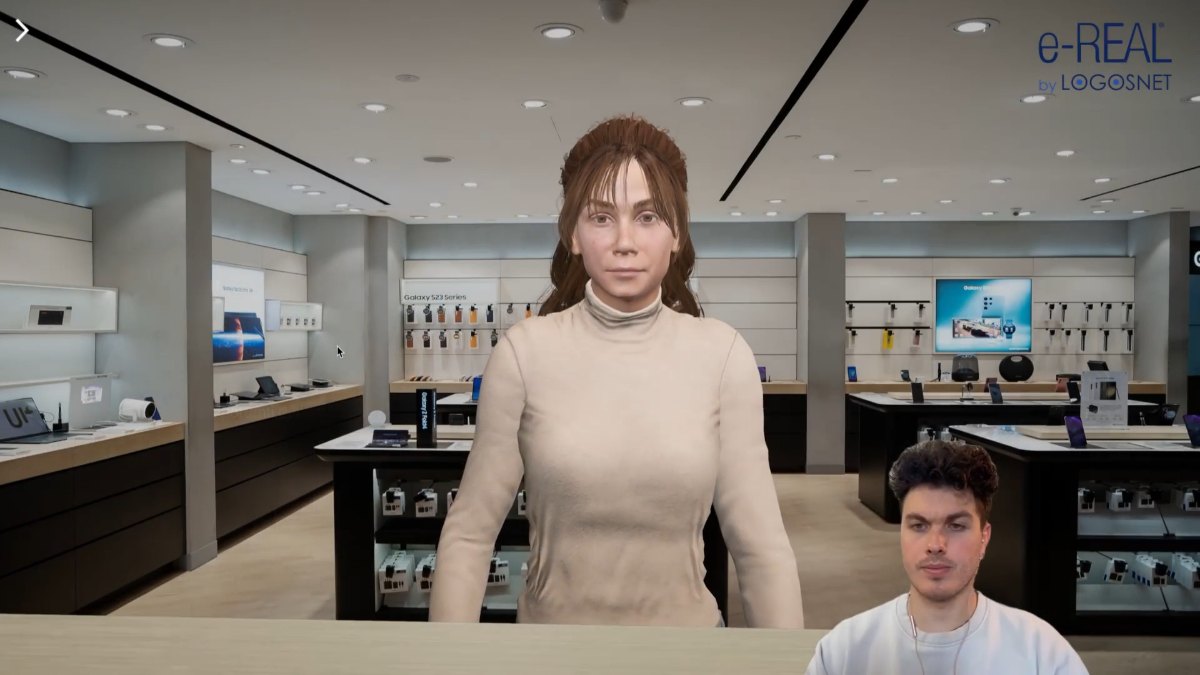
A qualification or a strong interview can tell us something about a person’s knowledge. To understand readiness for a demanding role, we also need to see how that knowledge is applied.
Realistic scenarios create opportunities to observe decisions, communication and collaboration in context. Participants may need to interpret incomplete information, respond to another person or adjust their approach as a situation changes. These moments provide material for both development and assessment.
Observation needs a clear method
The quality of the process depends on its design. A scenario needs a defined purpose; observations need clear criteria; feedback should distinguish what happened from the interpretation of it. Structured rubrics can make comparisons more consistent, while trained professionals remain responsible for interpreting evidence and making consequential decisions.
This approach can help teams prepare for new responsibilities and help individuals recognize where they are already effective and where further practice would be valuable. Readiness becomes something people can examine and develop, rather than a label assigned after a single exercise.