

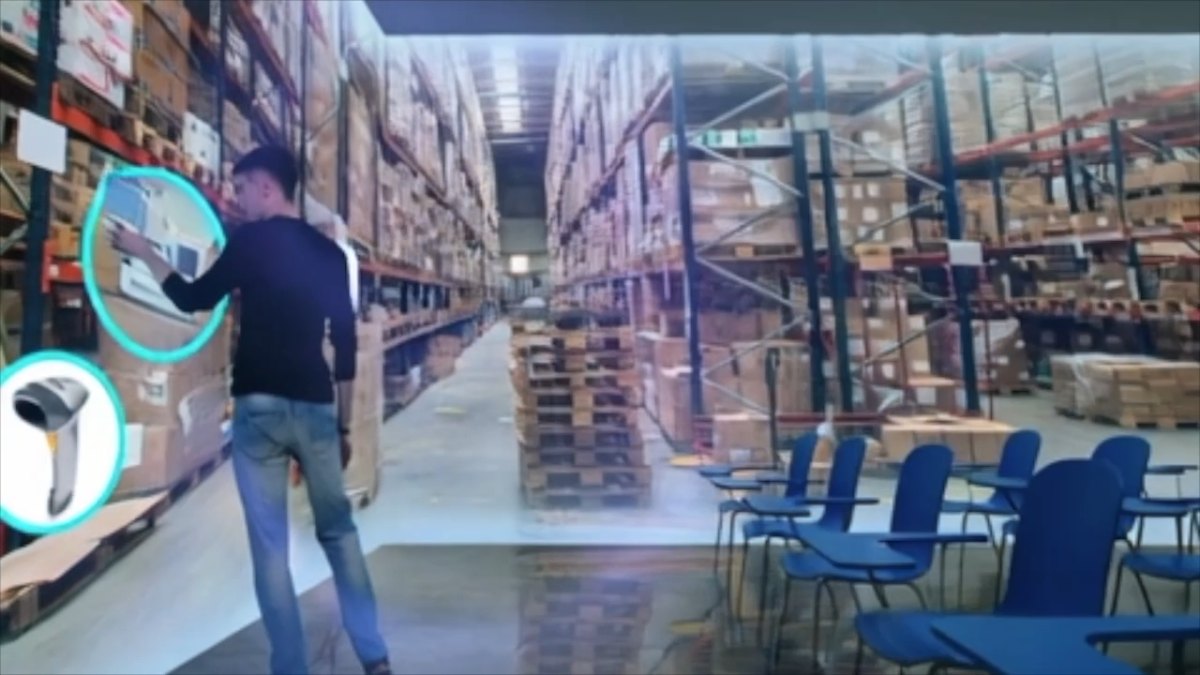
A decision changes when it must be made in a room with other people, limited time and incomplete information. Immersive simulation brings those conditions into a learning experience that participants can examine safely.
In a shared environment, teams encounter a scenario, communicate, choose a course of action and respond as events unfold. Facilitators can observe how information is exchanged, how responsibilities are understood and how the group adapts. The subsequent discussion turns those observations into learning.
Design for the real setting
The scenario should reflect the participants’ actual responsibilities. A clinical team, a public institution and a business unit face different pressures; each needs relevant tasks, credible events and appropriate criteria for feedback. Immersion has a purpose when it helps people notice relationships and consequences that would be harder to grasp in an abstract exercise.
The exercise ends with transfer: what did participants see, what would they do differently, and how will they apply that insight in their real setting?